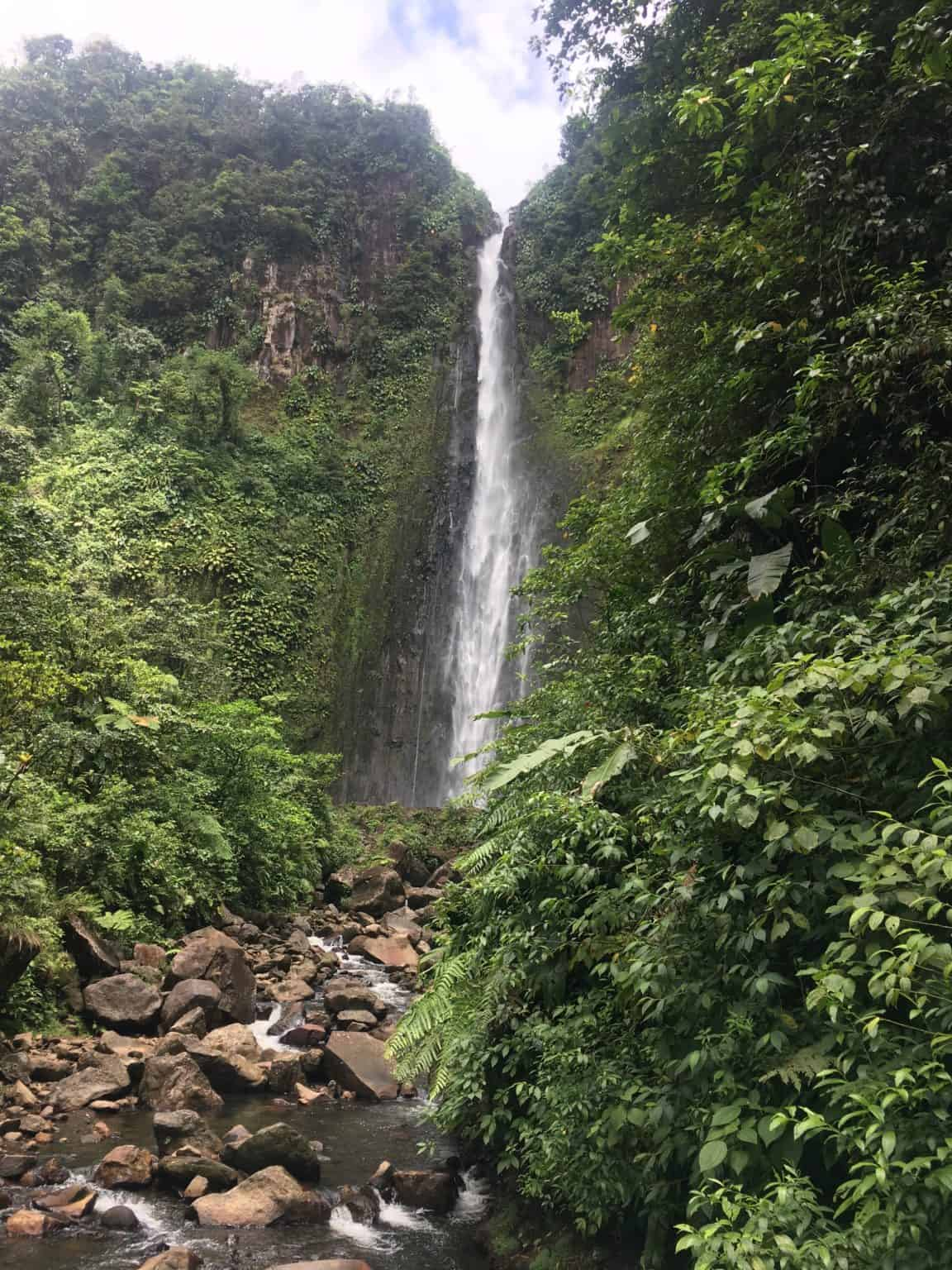
Guadeloupe is a dream destination for hiking enthusiasts, offering a wide range of well-marked trails that wind through tropical rainforests, volcanic peaks, and sugarcane fields. Hikers can enjoy the island’s lush natural beauty while breathing in the fresh Caribbean air.
A Caribbean Hiking Paradise
Located in the heart of the Caribbean, Guadeloupe is a true paradise for hikers. The island combines stunning scenery, diverse ecosystems, and a pleasant tropical climate that makes hiking in Guadeloupe enjoyable all year round.
Guadeloupe consists of two main islands — Grande-Terre and Basse-Terre. Grande-Terre is known for its white-sand beaches, gentle hills, and dry coastal plains, while Basse-Terre features rugged cliffs, black-sand beaches, and lush rainforests.
The island offers trails for every level — from easy walks through mangrove forests to more challenging routes that climb volcanic slopes and reveal breathtaking coastal views. Whether you’re looking for a short family hike or a demanding mountain trek, Guadeloupe’s hiking trails promise unforgettable adventures amid waterfalls, tropical flora, and wildlife.
With its mild year-round climate, welcoming locals, and spectacular landscapes, hiking in Guadeloupe is an experience that blends adventure, discovery, and serenity.
The 7 Best Hikes in Guadeloupe
Guadeloupe is a hiker’s paradise, offering a wide variety of trails through lush rainforests, volcanic mountains, and pristine coastlines. Whether you’re a beginner or an experienced trekker, the island’s well-marked hiking trails provide stunning scenery and unique encounters with Caribbean nature.
Here are some of the best places for hiking in Guadeloupe that you shouldn’t miss.
1. Guadeloupe National Park: Our Top 3 Hikes
The Guadeloupe National Park is without a doubt the most popular and rewarding place for hiking in Guadeloupe. This UNESCO Biosphere Reserve covers a large part of Basse-Terre Island, offering trails suitable for all levels — from gentle walks to steep climbs through volcanic terrain.
The park features well-maintained paths that lead through dense rainforest, rivers, and waterfalls. More experienced hikers will find challenging routes with rocky ascents and rewarding panoramic views over the Caribbean Sea and the island’s tropical landscape.
Among the best hikes in Guadeloupe National Park, here are our three favorite trails leading to the top of the Soufrière Volcano, the highest point in the Lesser Antilles:
1. La Citerne Trail
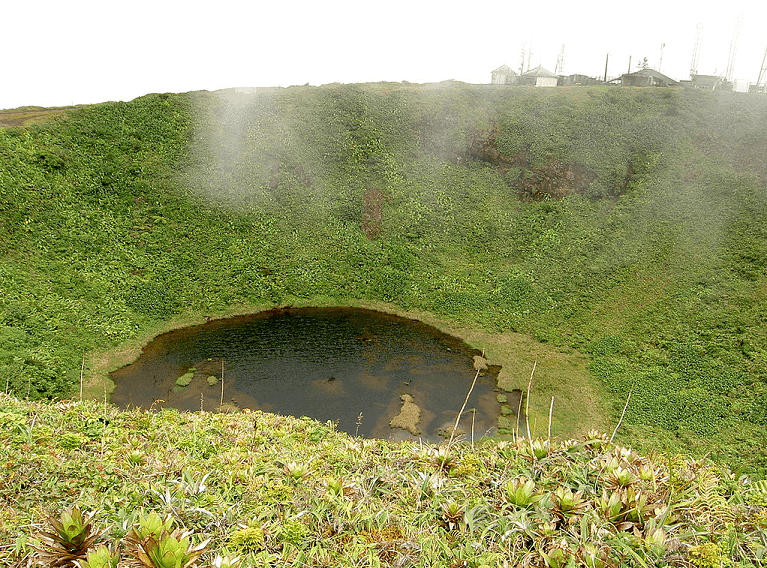
Altitude: 1,103 m
Once an extinct crater, this area now holds the beautiful Lake Flammarion, a peaceful reminder of Guadeloupe’s volcanic origins.
Starting points:
- From Armistice, near the Galion Waterfall (approx. 4 hours round trip)
- From the winding road leading to the Carbet Falls (approx. 4 hours round trip)
On clear days, hikers are rewarded with breathtaking views over Basse-Terre and the surrounding rainforest. This moderately challenging trail combines volcanic landscapes, lush vegetation, and panoramic scenery — making it one of the most scenic hikes in Guadeloupe National Park.
2. Bains Jaunes Trail
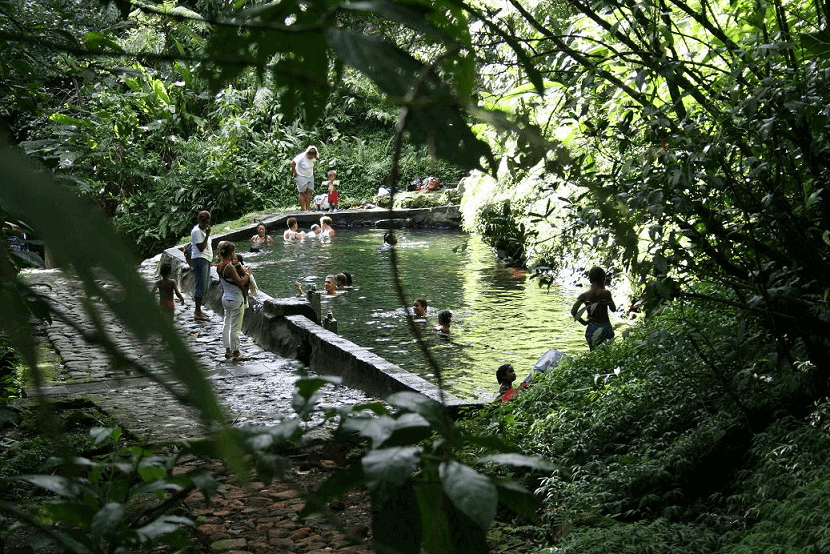
Altitude: 950 m
The Bains Jaunes is a beautiful historic hot spring site located at the foot of the Soufrière Volcano. Here, you can relax in a natural warm-water pool surrounded by lush tropical vegetation — a perfect way to start or end a hike.
There’s a small free parking lot with about 15 spaces near the trailhead, making it easy to access.
Trail starting points:
- Galion Waterfall (approx. 2.5 hours round trip)
- Armistice (toward La Citerne, approx. 4 hours round trip)
- Pas du Roy (toward La Soufrière, about 1h15 one way)
This area is ideal for both relaxing and hiking, offering access to several of Guadeloupe’s best volcano trails with panoramic views and geothermal wonders.
3. Savane à Mulets Trail
Altitude: 1,142 m
The Savane à Mulets trail is one of the most famous volcano hikes in Guadeloupe, offering spectacular panoramic views of the island and the Caribbean Sea. The site is often windy, but in good weather, the vistas from this ridge are absolutely breathtaking.
Trail starting points:
- Piton Tarade (approx. 45 min round trip)
- Carmichael, toward Matouba (approx. 5 hours round trip)
- Soufrière summit loop (approx. 3 hours round trip)
- Pas du Roy, toward Bains Jaunes (approx. 1h15 one way)
Continue along the road for about 1 km to reach the La Citerne crater, where you can enjoy an impressive view over the volcanic landscape.
This trail is a must for experienced hikers looking to explore the heart of Guadeloupe National Park, with its mix of mountain scenery, sulfur vents, and tropical vegetation.
2. Pointe des Châteaux Hike
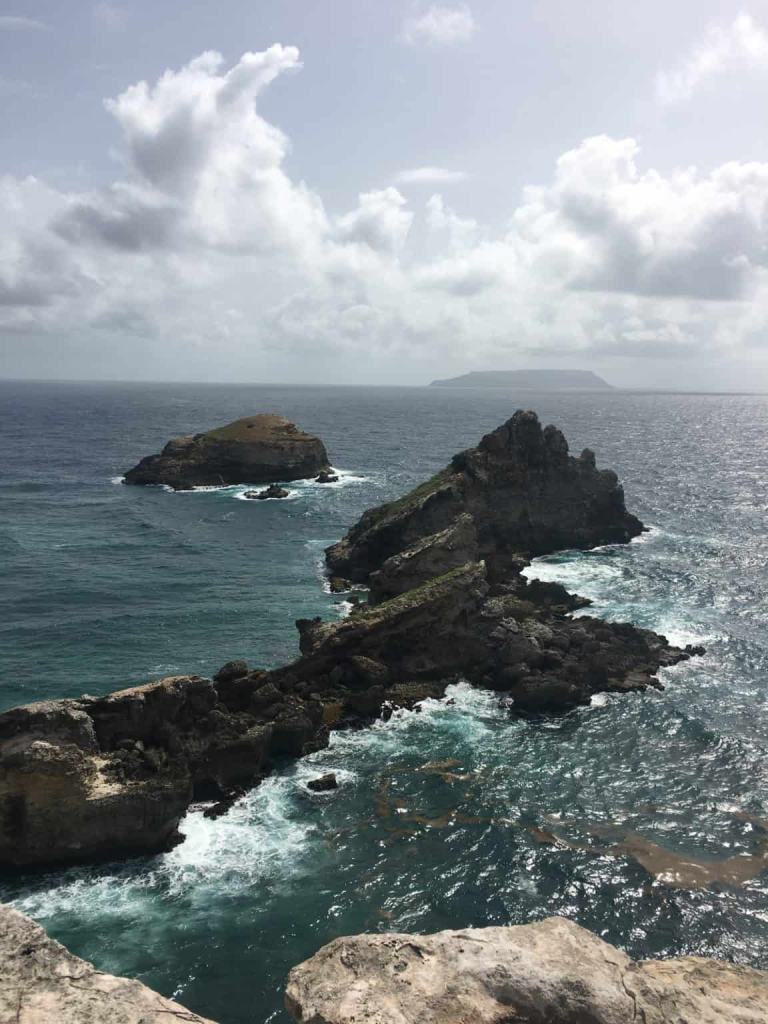
For hikers who love combining beach walks and sea views, the Pointe des Châteaux trail on the eastern tip of Grande-Terre is a must. This protected natural reserve features white-sand beaches, dramatic cliffs, and easy coastal paths that are perfect for all levels.
The trail offers panoramic views of the Atlantic Ocean, nearby islands like La Désirade, and the rugged coastline shaped by centuries of wind and waves. It’s one of the most photogenic hikes in Guadeloupe, especially at sunrise or sunset.
Accessible and well-marked, this hike is ideal for travelers looking to explore the natural beauty of Guadeloupe’s coastline while enjoying a relaxing walk by the sea.
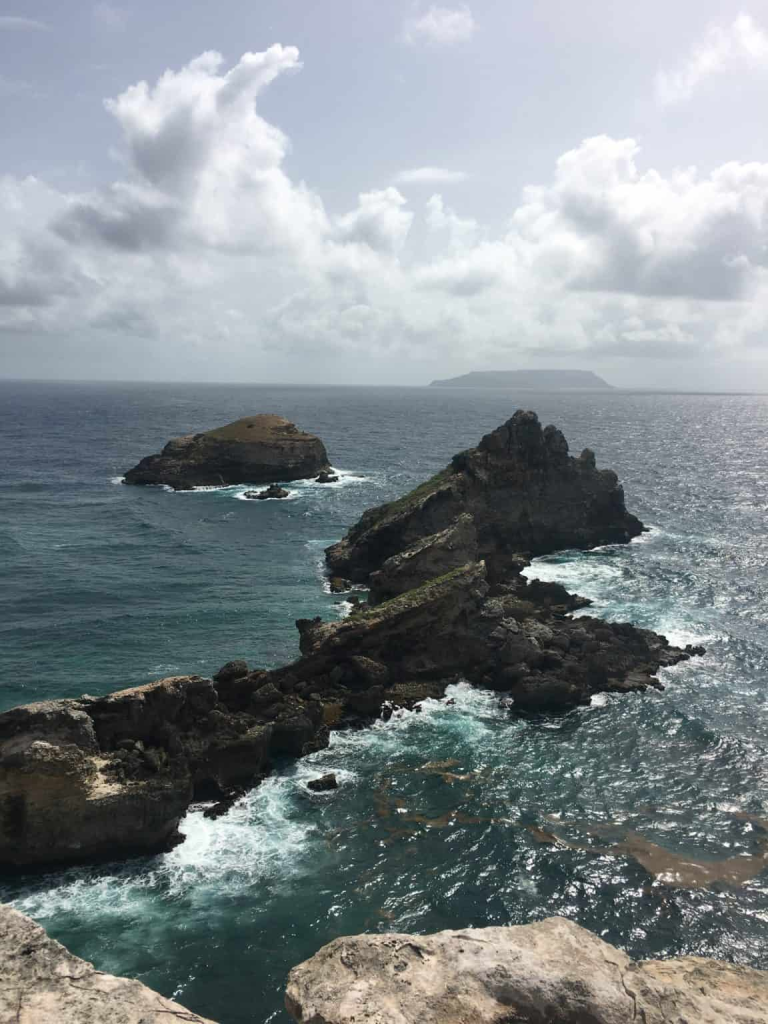
The Pointe des Châteaux is a must-see landmark in Guadeloupe, attracting nearly 500,000 visitors every year, making it the most visited site in the archipelago. Located at the easternmost tip of Grande-Terre, this dramatic peninsula marks the meeting point between the Atlantic Ocean and the Caribbean Sea.
Here, you can truly feel the raw power of nature — waves crashing against volcanic cliffs, winds sculpting the rocks, and panoramic views stretching across to La Désirade Island. Visiting the Pointe des Châteaux is more than a hike; it’s an immersion into the essence of Guadeloupe, where the island’s contrasts — wild, beautiful, and untamed — are on full display.
How to Get There
Drive through Saint-François, passing its stunning seaside golf course, and follow the signs for “Pointe des Châteaux” along the Route des Châteaux. The road stretches for about 10 kilometers, offering scenic coastal views all the way to the tip of Grande-Terre.
You can park at the end of the road and begin your walk to the Pointe des Châteaux cross, which takes around 20 minutes on foot.
What You’ll See
From the top, you’ll enjoy spectacular panoramic views of nearby islands — La Désirade, Petite-Terre, Marie-Galante, and even Basse-Terre on clear days. The spot is also a favorite among locals for whale watching during migration season, and the sight of Atlantic waves crashing against volcanic rocks makes it one of the most unforgettable places in Guadeloupe.
3. Sentier des Douaniers
The Sentier des Douaniers is a beautiful coastal hike along the northern coast of Grande-Terre. It’s one of the most scenic easy hikes in Guadeloupe, offering breathtaking views over the Atlantic Ocean, dramatic cliffs, and white-sand beaches.
The trail leads you to some of Grande-Terre’s most stunning viewpoints, including:
- Porte d’Enfer, a spectacular natural bay framed by cliffs
- Pointe des Souffleurs, known for its natural blowholes that shoot up water when the waves crash against the rocks
How to Get There
To reach the starting point, drive toward Grande-Terre: take the N1, then N5 in the direction of Morne-à-l’Eau, and continue toward Le Moule. Before entering the town, turn onto D123, then D120 toward Anse-Bertrand. The trail begins at Porte d’Enfer, a famous and easily accessible beach area with a large parking lot and a restaurant nearby.
How Long Does It Take?
The full hike is about 8 kilometers round trip and takes roughly three hours to complete. The path follows a rocky coastline and is relatively easy, making it suitable for most hikers. However, the trail is fully exposed to the sun, so bring plenty of water, sunscreen, and a hat — the heat can make it challenging at midday.
4. Route de la Traversée Hike
The Route de la Traversée is one of the most scenic and diverse hiking trails in Guadeloupe, stretching 17 kilometers across the island from east to west. This moderate-level hike is perfect for nature lovers who want to explore the island’s lush rainforest, mountain peaks, and tropical rivers.
The trail runs through the heart of Basse-Terre, connecting Petit-Bourg to Pointe-Noire as it winds through the Guadeloupe mountain range. Along the way, you’ll encounter some of the island’s most beautiful natural attractions:
- Cascade aux Écrevisses – a short, popular waterfall hike ideal for a refreshing swim
- Corossol River and Bras David – peaceful river areas surrounded by dense vegetation
- Maison de la Forêt – an educational forest center with picnic areas and nature trails
- Morne à Louis (743 m) – one of the route’s highest viewpoints, with sweeping panoramas over the rainforest
You’ll also cross several forested peaks, including:
- Piton de Petit-Bourg (716 m)
- Piton de Pigeon (768 m)
- Col des Mamelles (686 m)
How to Get There
The Route de la Traversée can be accessed via the D23 road between Petit-Bourg and Pointe-Noire. Entry is free, and several parking areas are available along the route, making it easy to stop and explore different sections of the trail.
This is one of the best rainforest hikes in Guadeloupe, offering a perfect mix of waterfalls, viewpoints, and picnic areas — ideal for families, photographers, and adventurers alike.
5. Hike to the Carbet Falls (Les Chutes du Carbet)
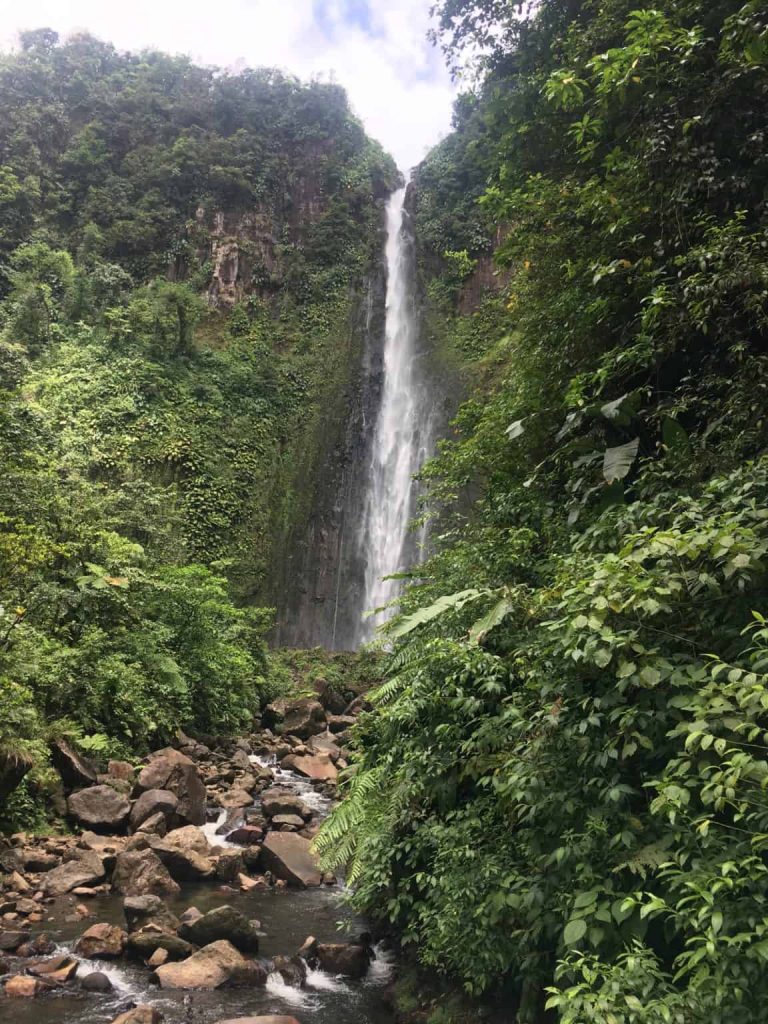
The Carbet Falls are among the most famous natural attractions in Guadeloupe, and a must-see for anyone visiting the island. Located deep in the Guadeloupe National Park, these three majestic waterfalls cascade down the slopes of the Soufrière Volcano, surrounded by lush tropical rainforest.
Each of the three falls offers a unique hiking experience:
- Second Fall (110 m) – The easiest and most accessible of the three, this waterfall can be reached in about 20 minutes on foot, making it perfect for families and casual hikers. The trail is well-maintained and offers beautiful viewpoints along the way.
- First Fall (115 m) – A more challenging hike of about 1.5 hours one way (around 3 hours round trip). The path takes you deeper into the forest, rewarding you with a breathtaking view of the tallest cascade.
- Third Fall – The wildest and least visited, accessible in about 2.5 hours from Capesterre-Belle-Eau. The trail follows the Grand Carbet River, named after an ancient Amerindian village whose “carbets” (wooden shelters) once dotted the area.
According to local legend, Christopher Columbus spotted the Carbet Falls when he arrived in Guadeloupe in 1493 — a testament to how striking they are, even from the sea.
How to Get There
The easiest access point is from Capesterre-Belle-Eau, on the eastern side of Basse-Terre. The road can be a bit rough, but parking areas for cars and buses are available near the trailhead. Follow the signs leading to “Chutes du Carbet” to begin your hike.
Whether you visit just one or all three waterfalls, this is undoubtedly one of the best hikes in Guadeloupe — combining history, legend, and spectacular tropical scenery.
What to Know Before Hiking in Guadeloupe
Guadeloupe, located in the Caribbean, is made up of several islands and islets — a true paradise for hikers thanks to its vast network of scenic trails. If you’re planning a hiking trip in Guadeloupe, here are a few essential things to know before you go.
Be Well Prepared
Before hitting the trails, make sure you’re properly equipped. Wear comfortable hiking shoes with good grip and bring a light waterproof jacket, as rain can appear suddenly in tropical areas. Pack enough water and snacks, especially if you’re planning a long hike.
Choose the Right Trail
Guadeloupe offers hiking routes for all skill levels, from easy rainforest walks to challenging volcano climbs. Beginners should stick to shorter, well-marked trails, while experienced hikers can explore the Soufrière Volcano or longer routes through Guadeloupe National Park.
If you’re unsure which trail suits you best, don’t hesitate to ask local guides or park staff for advice — they know the terrain and weather conditions well.
Stay Safe
Always stay on marked paths and keep an eye on the weather forecast before heading out. Conditions can change quickly in tropical environments, and it’s best to check with local hiking professionals about trail closures or potential hazards.
Challenges of Hiking in Guadeloupe
Guadeloupe is a top destination for nature lovers, but hikers should be aware of a few challenges:
- The island can be affected by tropical storms and hurricanes, especially between June and November. Always check the weather forecast before setting out.
- Some trails are steep or slippery, especially in mountainous areas of Basse-Terre.
- The tropical climate can make hiking physically demanding — wear light, breathable clothing and stay hydrated.
Keep these key points in mind before you go hiking in Guadeloupe:
- Weather changes quickly, with sudden heavy rains.
- Rivers can rise rapidly after storms — many trails involve river crossings.
- The rainy season (June to November) often coincides with local holidays.
- Night falls early — around 5:30 p.m. in December and 7:00 p.m. in June.
- Twilight lasts only 30 minutes, so plan to finish your hike before sunset.