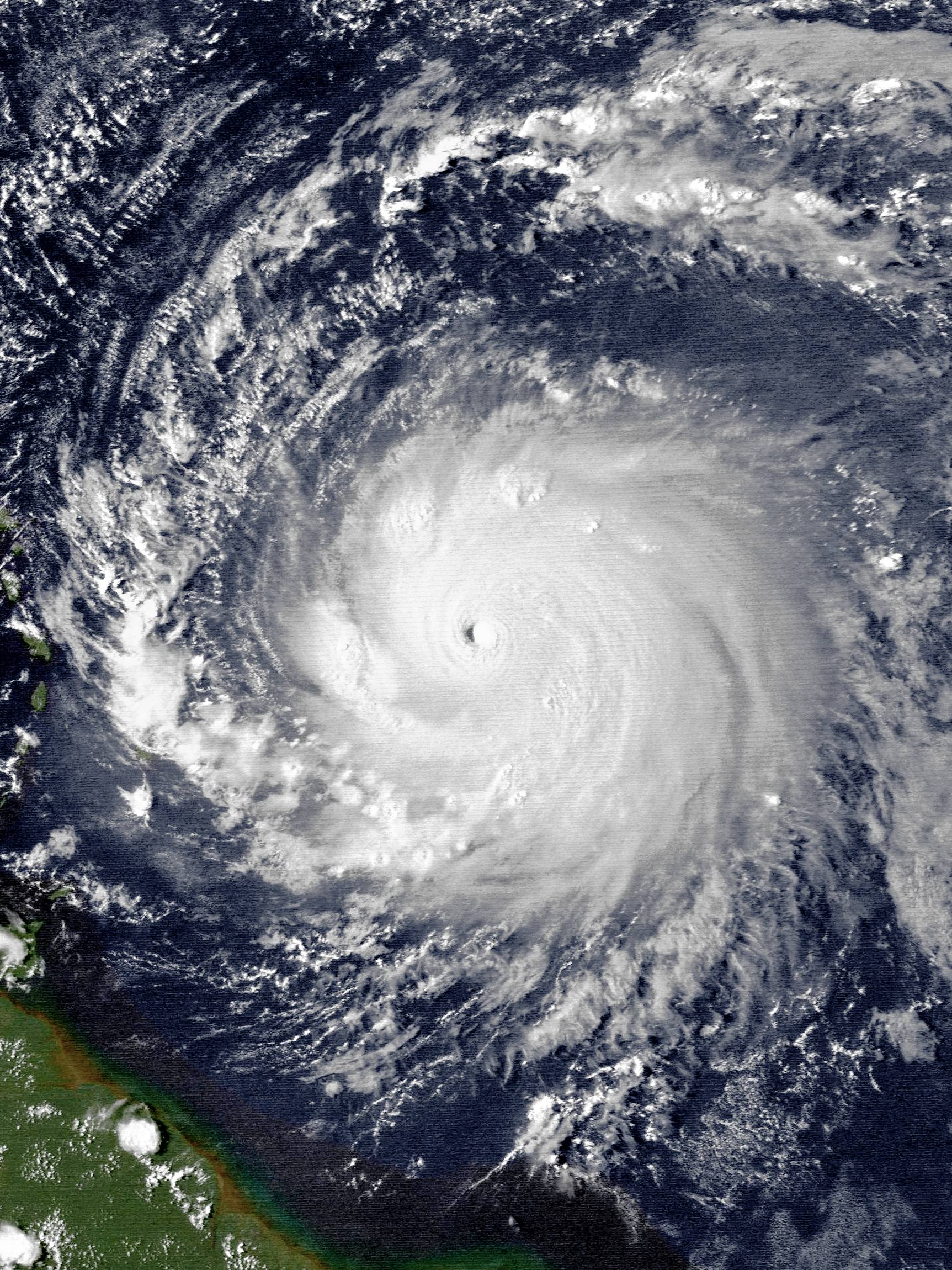
Hurricane season in Guadeloupe runs from June 1 to November 30, and the real risk sits in a much narrower window: late August to early October. Hugo in 1989, Maria in 2017 and Fiona in 2022 all hit in September. A storm in June or late November is possible on paper and rare in practice.
So the question is less “is it hurricane season?” and more “which week, which island, and how flexible is my ticket?”. A September week on the main island with a refundable flight is a very different bet from a non-refundable package to Les Saintes in the same week. The calendar side of the decision, month by month, is on my page covering everything you need to know about the best time to visit Guadeloupe. Here I stick to storms: when they come, what the alerts mean, and what actually happens to a visitor when one shows up.
Which months carry the real risk
The official Atlantic season is six months long, but the risk curve is a hump, not a plateau. Here is how I read each month for a trip.
| Month | Storm risk | What it feels like | Crowds |
|---|---|---|---|
| June | Low | Hot, humid, short showers | Quiet, school year still on in France |
| July | Low to moderate | Tropical waves bring wet days | Busier: French summer holidays |
| August | Rising | Heavy downpours, still mostly sunny | Busy until mid-August |
| September | Highest | Muggy, stormy, some places closed | The emptiest month of the year |
| October | Still real | Wettest feel, big rain episodes | Quiet |
| November | Fading | Rain eases toward the end | Picks up late in the month |
October deserves a warning of its own. People treat it as “after the peak”, but Tammy closed the airport on October 20, 2023. Rain is the bigger October problem: tropical waves can dump a day of water on Basse-Terre, close hiking trails and turn rivers brown for a week.
The storms Guadeloupe remembers
Locals date things by storms. Knowing the big four helps you understand why the island takes every alert seriously, even when the forecast looks mild.
- Hugo, September 17, 1989. The eye passed over Guadeloupe with sustained winds of 220 km/h (140 mph). Three thousand houses lost their roofs, 35,000 people were displaced and 11 died. It is still the reference point for every storm since.
- Maria, September 2017. The center passed south of the archipelago. Les Saintes, Marie-Galante and La Désirade took the strongest winds and were cut off for several days. On the main island, 40% of the population (about 80,000 households) lost power, and damage reached at least €100 million.
- Fiona, September 16, 2022. Only a tropical storm when it crossed, but the rain did the damage: the Goyave river burst its banks and swept away a bridge, one person died, and thousands of homes were still without power the next day.
- Tammy, October 2023. It passed east of the island and made landfall on Barbuda, yet Guadeloupe still went into lockdown, flights were grounded and inter-island ferries stopped for about two days.
The pattern matters more than the drama. A direct hit is rare. A near miss that shuts the airport, the ferries and the roads for 24 to 48 hours is the realistic scenario for a visitor, and that one happens in a normal season. Fiona also shows that a “weak” storm can do more harm than a strong one through flooding alone.
The color alerts, yellow to grey
Guadeloupe uses the French cyclone alert scale, set by the prefecture from Météo-France forecasts. It has five colors, and two of them (purple and grey) exist only in the French Caribbean because of hurricanes. Every hotel, radio and phone app will quote them.
- 🟡 Yellow: possible threat within 48 to 72 hours, danger still unclear. Life goes on normally. This is when you fill the tank and buy water.
- 🟠 Orange: threat taking shape within 24 to 36 hours, moderate or significant impact likely. Supermarkets get busy and people start securing shutters and anything loose outside.
- 🔴 Red: probable threat within 6 to 18 hours, major impact expected. Get to where you will sit out the storm and stay there.
- 🟣 Purple: imminent threat within 3 to 6 hours. Economic activity stops and all travel is banned except with special permission from the prefect. You do not leave the building.
- ⚪ Grey: the main impact is over. The lockdown ends and traffic resumes, but roads, power and water come back gradually.
Do not mix this up with the ordinary weather vigilance, which uses the same yellow and orange for heavy rain and thunderstorms. A yellow “fortes pluies” (heavy rain) notice in October is routine. A yellow “cyclone” notice is the one that starts the countdown.
What a storm does to your trip
The wind is rarely what ruins a holiday. The shutdown around it is. Here is what changes, in the order it usually happens.
Flights and ferries
For Tammy, Pointe-à-Pitre airport closed at 6 pm on October 20, 2023 and was scheduled to reopen on October 22. Inter-island ferries to Les Saintes, Marie-Galante and La Désirade were suspended too, and the sea gets rough well before the wind arrives. If you are on a small island when the alert rises, you may be stuck there until the ferries restart, which after Maria meant several days.
Roads, power and water
From purple, driving is banned. After the storm, roads through the rainforest and along rivers can stay blocked by fallen trees, landslides or, as with Fiona, a missing bridge. Power cuts are common even with a near miss: Maria never made landfall and still left 40% of the island in the dark. Keep a few liters of bottled water in the room as soon as yellow is declared.
Hotels and restaurants
Many hotels, guesthouses and restaurants close for a few weeks between late August and October for their annual break. That is a bigger factor in a September trip than the storms themselves: check that your hotel and the two or three restaurants you care about are open on your dates before you book anything.
How I would book a June to November trip
Traveling in hurricane season is fine if the plan can bend. These are the steps I give friends who can only come in the off-season.
- Avoid the last week of August through the first week of October if your dates are flexible at all. June, early July and late November carry far less risk.
- Buy travel insurance the day you book. Once a storm has a name, most policies treat it as a known event and will not cover it.
- Pick refundable rooms, or at least free cancellation up to a few days before arrival.
- Sleep on the main island for the first and last nights, and keep the small islands for the middle of the trip, so a ferry stop cannot make you miss your flight home.
- Follow the right sources: Météo-France Guadeloupe for the color alerts, the prefecture of Guadeloupe for travel bans, and the US National Hurricane Center for the five-day outlook.
Flo’s advice
If a yellow cyclone alert is declared while you are here, do three things that afternoon: fill the rental car’s tank, buy water and something you can eat without cooking, and charge every battery you own. At orange the lines at supermarkets and gas stations get long. Then ask your host where they want you during the storm, because they have done this before.
Storms are one part of the off-season picture. Day to day, humidity and showers shape your trip far more, and my notes on Guadeloupe weather cover temperatures, sea conditions and rainfall by area. If you are looking at the tail of the season, Guadeloupe in November is the month where the risk fades and the prices have not yet jumped, while Guadeloupe in December is the safe bet with the bill to match.
Keep reading
Hurricane season and the wet season overlap but they are not the same thing: the rain lasts longer than the storm risk, and it falls very unevenly between the two halves of the island. For that side of it, see also rainy season Guadeloupe, and for the opposite end of the year, the dry season in Guadeloupe from December to May, when the risk of a named storm is close to zero.
Before you go
In the off-season, a car is your plan B. When ferries stop and tours cancel, you can still drive to the other side of the island where the sky is clear.
There is no Uber and the buses stop early. Book the car with your flight so you are not hunting for one at the airport after a delay.
Europcar · affiliate link · same price for you
Hurricane season: the questions I get
Is it safe to visit Guadeloupe in September?
Yes, as long as you accept that a storm could cost you two or three days and plan for it. September is the month with the highest risk and the emptiest beaches. Buy insurance when you book, keep the room refundable and stay on the main island at the start and end of the trip.
How often does a hurricane hit Guadeloupe?
A direct hit by a major hurricane is rare, and Hugo in 1989 remains the worst on record. Near misses and tropical storms are more frequent: Maria in 2017, Fiona in 2022, Tammy in 2023 and Ernesto in August 2024 all disrupted daily life without a direct hurricane landfall.
What happens if a storm comes while I am there?
You will see it coming two or three days ahead through the yellow and orange alerts. Stock up early, follow your host’s instructions and stay indoors once purple is declared, since all travel is banned. The airport and ferries usually reopen within a day or two of the grey alert.
Which month has the lowest hurricane risk?
Within the season, June and the second half of November. Outside it, December to May carries essentially no risk of a named storm, which is one reason that period is also the most expensive.
Does travel insurance cover hurricanes?
Usually yes, if you bought it before the storm was named. After that, most insurers treat it as a foreseeable event and exclude it. Check that the policy covers trip interruption and missed connections, not only cancellation, because a closed airport on your return day is the most common problem.
Some links on this page are affiliate links. You pay the same price. It's how the site stays free of pop-ups and sponsored rankings.